Public or Private?
Public = a firm which issues securities through an initial public offering (IPO) and is traded on at least one stock exchange or in over-the-counter markets (OTC). See How to Research Public Companies (from the www.sec.gov website).
Private = a firm held under private ownership. Private companies may issue stock and have shareholders, but their shares do not trade on public exchanges and are not issued through an IPO.
Additional explanation via Investopedia.com: Private vs. Public: What's the Difference?
Private Sector

Privately held companies are business entities that are held by private owners. This type of entity limits the owner's liability to their ownership stake and restricts shareholders from publicly trading shares.
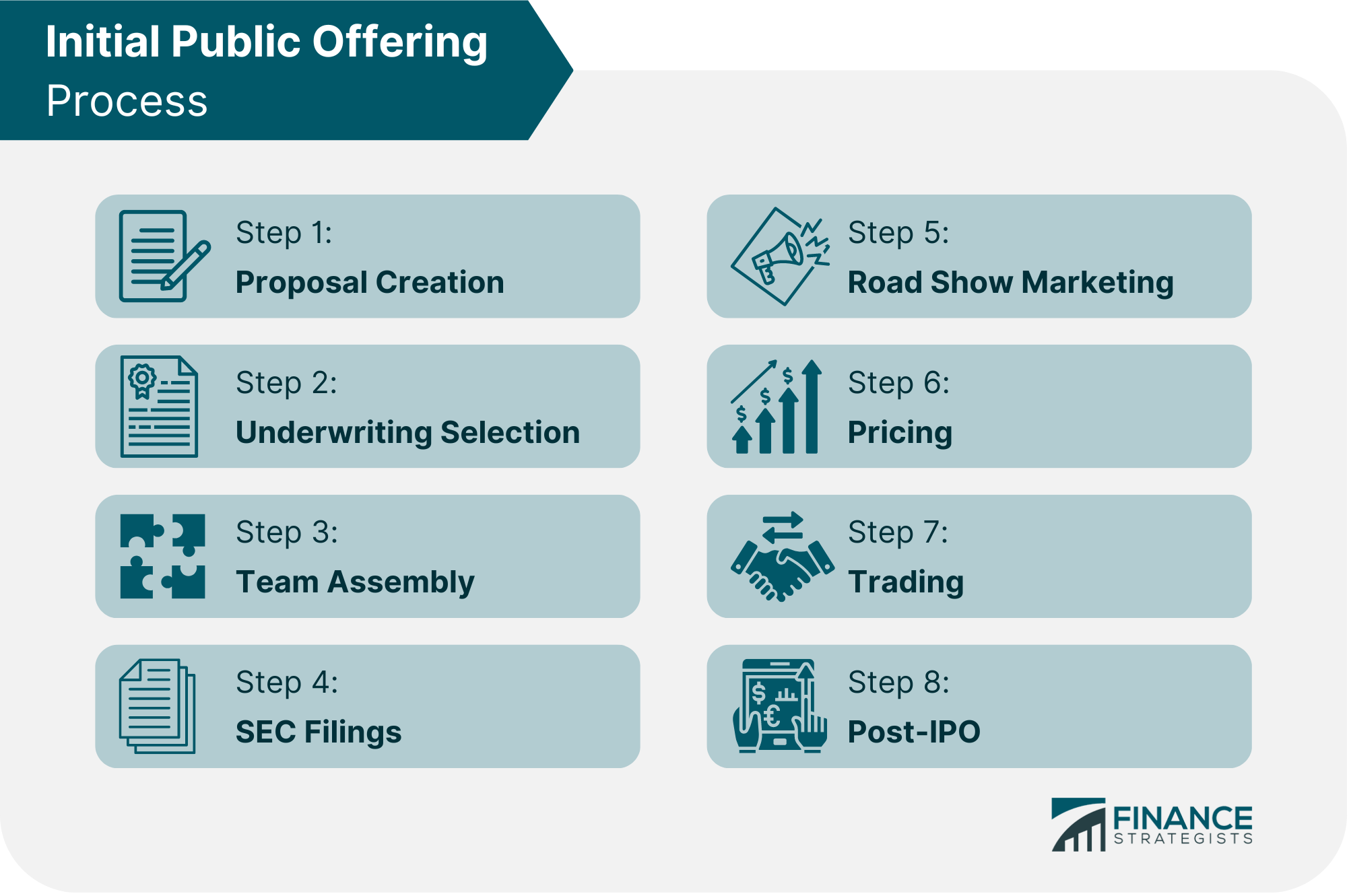
The principal difference between public and privately held companies is that public companies have shares that can be publicly traded on a stock market. A privately held company might become a publicly held company by conducting an initial public offering (IPO), which is the offering of shares of the company to the public.
Note: It is much harder to find information on private companies & on their subsidiaries.
See Directory of Corporate Affiliations (source information located on this page).
Registering with the Secretary of State

National Association of Secretaries of State (NASS)
"Every U.S. Corporation -- whether publicly traded, privately held or non-profit -- must register at the state level to receive a charter to do business. The agency that handles this process is usually the Secretary of State's office, which will also provide public access to at least some of the information that corporations must provide in their filings." (Quoted from "Dirt Diggers Digest Guide to Strategic Corporate Research" by Philip Mattera.)
More information about filing with the Secretary of State is found in Researching Company Information (located in the next tab of this LibGuide).
Public Companies - Financial Statements
Public companies are required by law to file certain reports to the government including...
See Investopedia.com & follow instructions below to find explanation of Financial Statements:
- Hover over Investing tab (at top left - next to Investopedia logo)
- Click on Fundamental Analysis > scroll down to Key Terms
- Select Fundamentals (far right - smaller box link to Fundamentals)
- Under Fundamentals definition > click on Learn More
- Scroll down to Fundamentals in Business
- Click on Financial Statements
- Additionally, Financial Footnotes (via Investopedia) provides explanations as to accounting practices and other information to explain various elements in their company financial statements.
Private/Subsidiary Company Financials

Directory of Corporate Affiliations. From the main page, select "content" tab. Next, select "Companies & Financial", "Companies Profiles", "LexisNexis Corporate Affiliation"


Ticker Symbols, Stock Reports, NAICS and SIC codes
Ticker Symbols
- A unique identifier consisting of 3 or 4 letters which is used by stock reporting services and brokerage firms.
- Almost all business directories contain the ticker symbol for a public corporation. Investment analysis reports (or stock reports) for a company will contain the ticker symbol as well.
Stock Reports
- Offer commentary and forecasts on companies which are valuable for investors to determine whether they should invest in a certain company; researchers and market analysts may use stock reports to study the fluctuation of the market.
- Stock reports contain key stock statistics like the earnings per share, price/earning ratio and price volatility. Stock reports will often contain financial figures though they aren't as extensive as financial statements. However, these reports do provide an overview of the company's finances for an extended period of time.
NAICS (& SIC Code)
- U.S. Industries are classified by a six-digit NAICS (North American Industry Classification System) Code, which is listed in many company directories. The NAICS code can then be used in industry databases to research that industry.
- Before 2004, a different code was used, called a SIC code. You may still see reference to the SIC codes in company directories and industry databases.
- If you come across a SIC (Standard Industrial Classification) number and want to find the corresponding NAICS number, go to the NAICS website > Scroll down to "Reference Files" > and Click on "Concordances" (close to the bottom in this section).